
About hyperbaric oxygen therapy
Understand how hyperbaric oxygen therapy works, what a session involves and which established indications are recognised.
Hyperbaric oxygen therapy · Hărman, Brașov
How pressure and oxygen work together
Hyperbaric oxygen therapy (HBOT) is a medical treatment in which a person breathes medical oxygen inside a chamber pressurised above normal atmospheric pressure. The increased pressure allows more oxygen to dissolve in the blood plasma and reach body tissues.
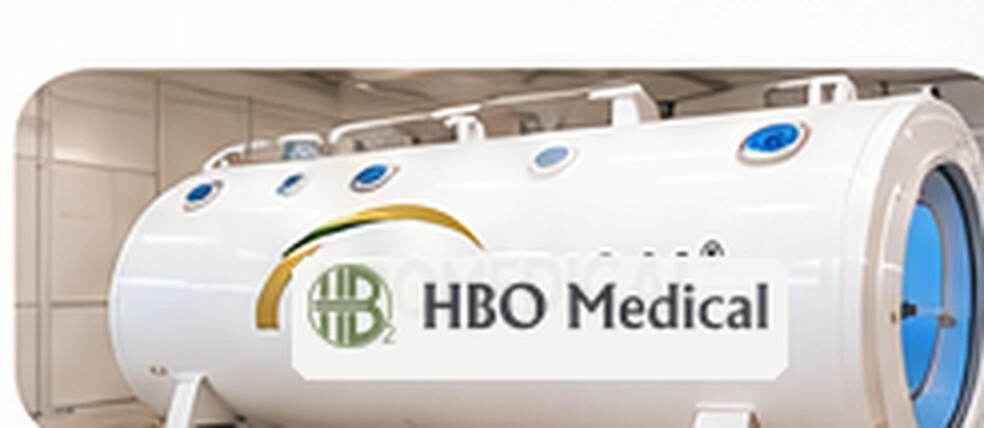
What happens in the chamber
Before treatment, a clinician reviews the indication, your medicines, medical history and any contraindications. Staff explain the procedure and monitor you during the session. You may feel fullness in your ears as pressure changes, similar to take-off or landing in an aircraft. Trained staff show you how to equalise ear pressure.
Recognised medical uses
HBOT has established roles in selected conditions, including certain chronic non-healing wounds and diabetic foot ulcers as part of comprehensive wound care; carbon monoxide poisoning; decompression illness; gas embolism; crush injuries and compromised grafts or flaps; and delayed radiation tissue injury, such as osteoradionecrosis. The exact indication and urgency must be assessed by qualified clinicians.
Evidence needs careful interpretation
Evidence and treatment recommendations vary between conditions. An established use in one condition does not mean HBOT is effective for another. For sports recovery, evidence is still developing and protocols should not promise improved performance or accelerated return to play. HBOT is not presented here as a cure for autism or cerebral palsy.
A therapy within a wider plan
Where indicated, HBOT is generally one part of a broader medical plan, which can include diabetes management, vascular assessment, appropriate antibiotics, wound dressings, surgery or rehabilitation. It should not delay proven or urgent treatment.
Let’s talk about your next step.
Tell us what is on your mind. We can help you understand whether an HBOT assessment is appropriate.